
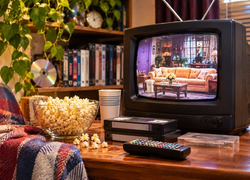
Why the Old Internet Feels So Nostalgic Now
M
By Moran Sally on November 11, 2026
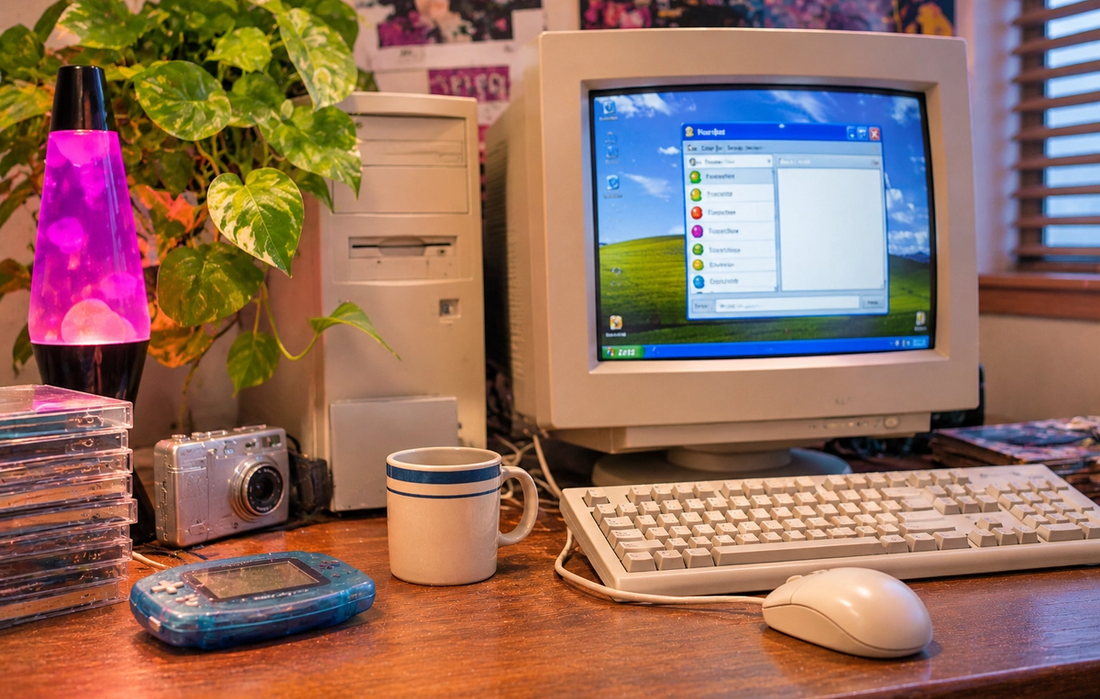
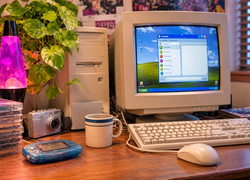
The old internet was objectively inconvenient. Pages loaded slowly, videos buffered forever, websites looked chaotic, and downloading one song could take longer than listening to the entire album. Yet for people who grew up online in the late 1990s and 2000s, that messy internet can feel strangely comforting now. What we miss isn’t necessarily the technology. It’s what being online felt like before the internet became something we carried everywhere.
Going Online Used to Be an Activity
There was once a clear distinction between being online and being offline. You sat down at the family computer, connected to the internet, checked your messages, visited a few websites, and eventually logged off. The internet was somewhere you went rather than a permanent layer over everyday life. That separation created something that’s increasingly difficult to find today: an obvious stopping point.
The Internet Felt More Personal
Early websites were often wonderfully strange. Personal blogs had custom backgrounds, forums developed their own tiny cultures, and profiles were covered in music, glitter graphics, questionable fonts, and deeply personal design decisions. The web wasn’t polished, but it felt handmade. People created spaces because they wanted them to exist, not necessarily because they were building an audience or optimizing engagement.
Discovery Was Less Predictable
Before recommendation algorithms became central to online life, finding something interesting often required wandering. You followed links from blogs, browsed forums, searched badly organized directories, or received a mysterious URL from a friend. You could end up somewhere completely unrelated to what you originally wanted. Today’s internet is dramatically better at predicting what we’ll click, but that efficiency can remove some of the surprise.
Social Media Changed What Being Online Meant
The early internet allowed more anonymity and separation between online spaces. Over time, social media brought real identities, careers, relationships, news, shopping, entertainment, and personal branding into the same feeds. Being online stopped feeling like an escape from everyday life because everyday life moved online too.
Maybe We’re Nostalgic for Who We Were
Of course, memory edits the past. The old internet had plenty of problems, from terrible security to painfully slow connections. But nostalgia rarely cares about technical specifications. We remember late-night instant-message conversations, carefully chosen usernames, discovering a favorite song, updating a profile, or waiting for someone special to appear online.
Perhaps that’s why the old internet feels so nostalgic now. We aren’t really longing for dial-up connections or badly designed websites. We’re remembering a time when the internet felt smaller, stranger, and less demanding—and when logging off still meant that the rest of the world had to wait until tomorrow.
Read More
The Shows Millennials Grew Up Watching (And Why They Still Hold Up)
Asaf Been|
The Websites That Defined the Early Internet (And Where They Went)
Roi Kad|
The Music That Shaped a Generation (And Why It Still Hits)
German Smolyar|

The Movies Every Older Millennial Can Quote Line for Line
Julian Doyle|
Why the Old Internet Feels So Nostalgic Now
Moran Sally|
The Cultural Shifts That Only Make Sense If You Were There
Drew Larson|