
Why Older Millennials Feel Like the Forgotten Generation
M
By Moran Sally on November 12, 2026
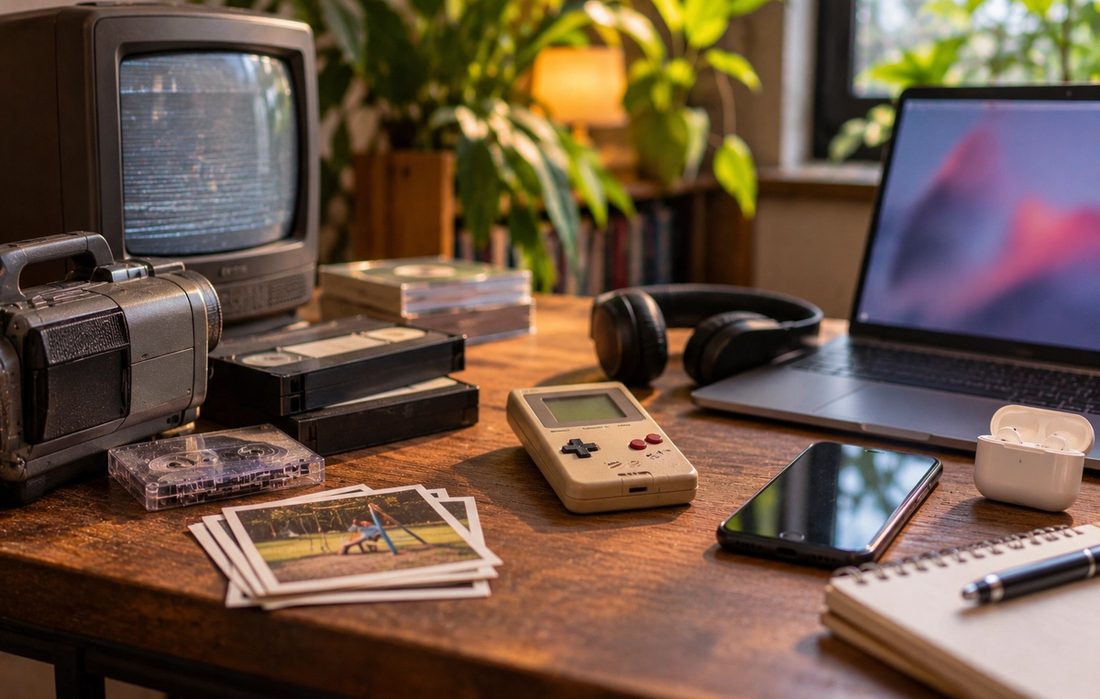
Older millennials occupy an oddly specific place in cultural history. They are old enough to remember childhood before smartphones, social media, and constant internet access, but young enough to have adapted to all of them. They came of age during enormous technological and economic change, yet their experience often gets flattened into the much broader stereotype of “millennials.”
They Grew Up in One World and Became Adults in Another
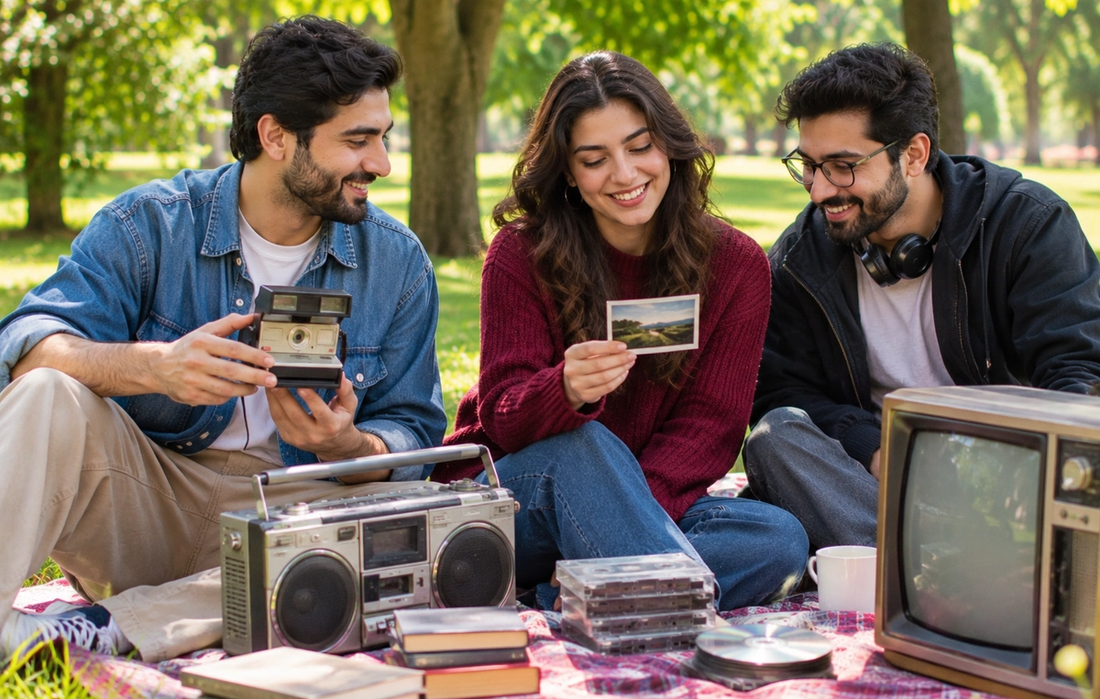
Many older millennials had largely analog childhoods. They used landlines, recorded songs from the radio, printed directions, rented movies, and made plans with friends without sending constant updates.
Then the internet transformed almost everything. By adulthood, email, Google, social media, smartphones, streaming, and online work had become normal. They didn’t simply grow up digital—they remember becoming digital.
They Were Already Adults When Social Media Took Over
For younger generations, an online identity often existed alongside adolescence. Many older millennials experienced something different. Their childhood photographs lived in albums, teenage conversations disappeared when they ended, and embarrassing moments weren’t automatically documented online.
Social media arrived later, when many were already entering university, careers, and adult relationships. That created a strange divide: they remember life before constant visibility while also being expected to participate in it.
Adulthood Didn’t Look Quite Like the Version They Expected
Many grew up with fairly traditional expectations about adulthood: study, find a stable job, buy a home, build a family, and gradually become more financially secure.
But the world changed while they were reaching those milestones. Economic crises, rising housing costs, changing workplaces, and rapidly evolving technology made the path less predictable than it had appeared when they were children.
They’re Caught Between Two Generational Stories
Older generations sometimes view millennials as permanently young, while younger generations may see them as fully established adults. Older millennials can find themselves somewhere awkwardly in between.
They remember VHS tapes and TikTok, handwritten school assignments and AI tools, offline childhood friendships and group chats that never end. Their cultural references can overlap with Gen X in one conversation and younger millennials in the next.
Maybe Being In Between Is the Point
Feeling forgotten may partly come from being a transition generation. Older millennials don’t fit neatly into either the analog or digital story because they experienced both.
But that in-between position is also what makes their perspective distinctive. They remember when being offline wasn’t a wellness choice—it was simply normal life. And they also understand the convenience and possibilities that came afterward.
Older millennials didn’t just witness technological change. They had to repeatedly adjust their habits, careers, relationships, and expectations around it. Their story isn’t quite the story of the world before the internet or the world after it. It’s the story of living through the transition between the two.
Why Older Millennials Are the Last Generation to Remember Pre-Internet Life
Older millennials occupy a strange place in technological history. They grew up with television, landlines, paper maps, handwritten notes, and afternoons when nobody knew exactly where their friends were.
Asaf Been|6m ago

The Quiet Loneliness of the Always-Busy Generation
Roi Kad|11m ago

Why “Having It All” Was Always a Trade-Off for Us Too
German Smolyar|14m ago

The Real Difference Between Being Busy and Being Effective
Julian Doyle|17m ago
Why Older Millennials Feel Like the Forgotten Generation
Moran Sally|20m ago
The Hidden Cost of Being the First Generation to Figure It Out Online
Drew Larson|22m ago
Read More
Why Older Millennials Are the Last Generation to Remember Pre-Internet Life
Asaf Been|
The Quiet Loneliness of the Always-Busy Generation
Roi Kad|
Why “Having It All” Was Always a Trade-Off for Us Too
German Smolyar|
The Real Difference Between Being Busy and Being Effective
Julian Doyle|
Why Older Millennials Feel Like the Forgotten Generation
Moran Sally|
The Hidden Cost of Being the First Generation to Figure It Out Online
Drew Larson|