
The Shows Millennials Grew Up Watching (And Why They Still Hold Up)
A
By Asaf Been on November 11, 2026
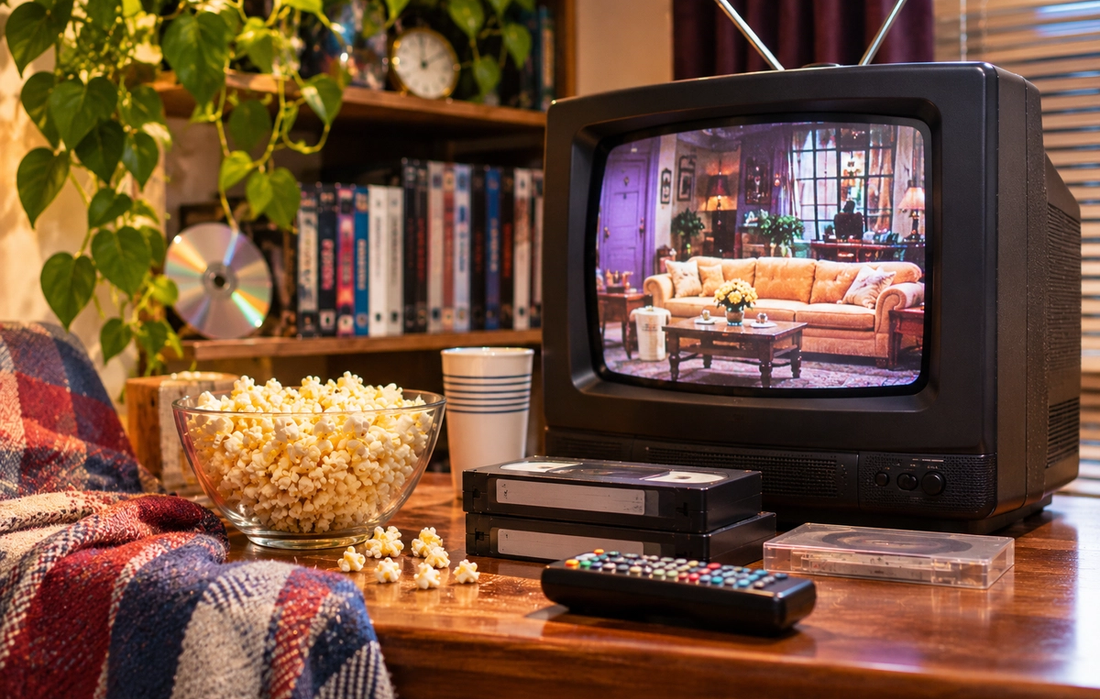
Before streaming made almost every show available at any moment, television required commitment. You had to know what night something aired, make it home in time, and wait an entire week for the next episode. For millennials, the shows of the 1990s and 2000s weren’t simply entertainment. They became shared cultural reference points—and decades later, many remain surprisingly watchable.
Sitcoms Became Comfort Television
Shows like Friends, The Fresh Prince of Bel-Air, Boy Meets World, and Gilmore Girls became part of everyday life. Their worlds were familiar enough to feel comforting but entertaining enough to return to every week. Today, watching them can feel less like discovering an old television series and more like revisiting a place you used to know. The clothes and technology may have aged, but friendship, family tension, awkward dating, and figuring out adulthood haven’t changed nearly as much.
Teen Television Took Everything Seriously
Millennial teen shows weren’t afraid of drama. Dawson’s Creek, The O.C., One Tree Hill, and later Gossip Girl turned friendship, romance, heartbreak, and growing up into major events. Were they occasionally ridiculous? Absolutely. But that was part of their appeal. They treated teenage emotions as enormous because, when you’re a teenager, they genuinely are.
Cartoons Had More Personality Than We Realized
Then there were the shows watched before school, after school, and on weekend mornings. Rugrats, Hey Arnold!, SpongeBob SquarePants, Dexter’s Laboratory, and The Powerpuff Girls entertained children without always talking down to them. Rewatching many of them as an adult reveals jokes, themes, and surprisingly thoughtful moments that went completely unnoticed the first time around.
Watching TV Used to Be a Shared Event
Part of the nostalgia isn’t really about the shows themselves. It’s about how we watched them. There were no entire seasons released overnight and no endless catalog waiting afterward. People watched the same episode at roughly the same time and talked about it at school or work the next day. Missing an episode actually meant missing something.
Why We Keep Going Back
Older shows aren’t automatically better, and plenty of episodes contain jokes or storylines that haven’t aged particularly well. But the best ones still have something modern television can’t manufacture through higher budgets or better technology: familiarity. We remember where we were when we watched them, who we watched them with, and what our lives looked like at the time.
Maybe that’s why putting on an old episode can feel so comforting. We’re not only rewatching television. For 22 minutes or 45, we’re briefly visiting an earlier version of ourselves—one that still had to wait until next week to find out what happened.
Read More
The Shows Millennials Grew Up Watching (And Why They Still Hold Up)
Asaf Been|
The Websites That Defined the Early Internet (And Where They Went)
Roi Kad|
The Music That Shaped a Generation (And Why It Still Hits)
German Smolyar|

The Movies Every Older Millennial Can Quote Line for Line
Julian Doyle|
Why the Old Internet Feels So Nostalgic Now
Moran Sally|

The Cultural Shifts That Only Make Sense If You Were There
Drew Larson|