
The Music That Shaped a Generation (And Why It Still Hits)
G
By German Smolyar on November 11, 2026
Every generation has songs that instantly bring back a specific version of life. For millennials, that soundtrack stretches from boy bands and pop princesses to emo, hip-hop, R&B, indie rock, and the songs downloaded very slowly from the early internet. Hearing them now isn’t simply nostalgic. Sometimes the first few seconds are enough to bring back an entire room, friendship, summer, or stage of growing up.
When Pop Culture Felt Truly Shared
The late 1990s and 2000s produced enormous pop moments. Britney Spears, Beyoncé, Christina Aguilera, Justin Timberlake, Rihanna, Usher, Eminem, and countless others released songs that seemed almost impossible to avoid. Music television, radio, magazines, and award shows meant millions of people were often listening to the same artists at roughly the same time. Before personalized feeds divided culture into endless niches, a hit could genuinely feel universal.
Music Became Part of Your Identity
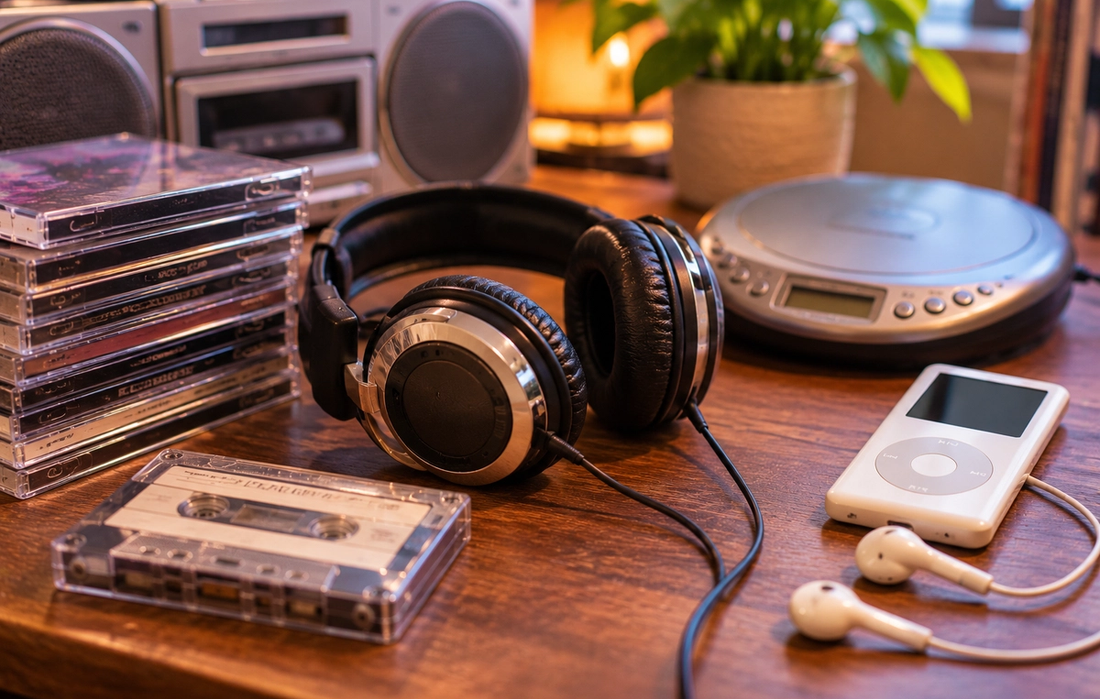
Then came the playlists before playlists. Burned CDs, carefully organized MP3 libraries, iPods, and even profile songs became ways of announcing who you were. Punk, emo, indie, hip-hop, R&B, and pop weren’t simply genres; they could become entire identities. Loving Linkin Park, Avril Lavigne, Green Day, Outkast, Coldplay, or Paramore often said something about the person you imagined yourself to be.
We Had to Work Harder to Find Songs
Music wasn’t always instantly available. You heard something on the radio and waited for the presenter to say what it was. You borrowed CDs, exchanged files with friends, searched questionable download sites, and spent an unreasonable amount of time fixing mislabeled MP3s. Finding music required more effort, which sometimes made discovering the right song feel like an achievement.
Why Old Songs Feel So Powerful
Music has an unusually strong relationship with memory. A song you listened to repeatedly during adolescence or early adulthood can become attached to people, places, routines, and emotions from that period. Years later, hearing it can bring those associations rushing back before you’ve consciously remembered them.
That’s why the music that shaped a generation can still hit differently decades later. The production may sound dated and the lyrics may occasionally make us wonder what we were thinking, but none of that really matters. We’re hearing more than a song. We’re hearing school dances, first cars, old bedrooms, summer nights, terrible headphones, complicated crushes, and people we haven’t thought about in years.
The songs stayed the same. We didn’t. And perhaps that’s exactly why pressing play can still feel so powerful.
Read More
The Shows Millennials Grew Up Watching (And Why They Still Hold Up)
Asaf Been|
The Websites That Defined the Early Internet (And Where They Went)
Roi Kad|
The Music That Shaped a Generation (And Why It Still Hits)
German Smolyar|

The Movies Every Older Millennial Can Quote Line for Line
Julian Doyle|
Why the Old Internet Feels So Nostalgic Now
Moran Sally|
The Cultural Shifts That Only Make Sense If You Were There
Drew Larson|