

The Cultural Shifts That Only Make Sense If You Were There
D
By Drew Larson on November 11, 2026
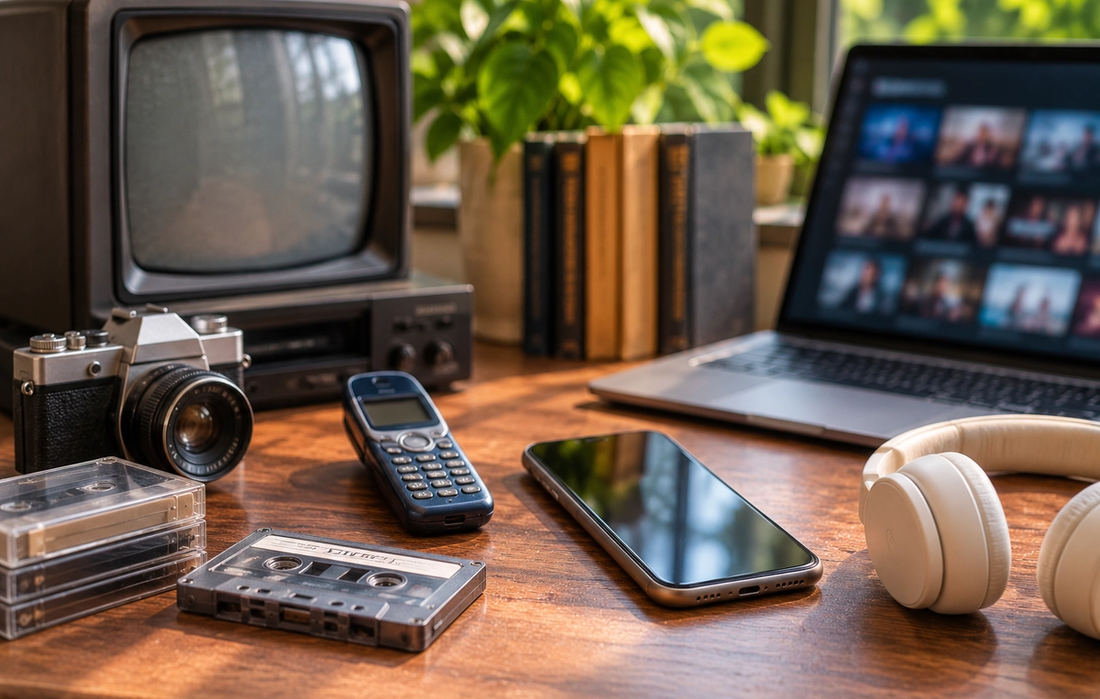
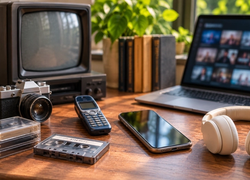
Some changes happen so gradually that you barely notice them until the old version of life feels impossible to explain. For millennials especially, the last few decades have contained an unusual number of these shifts. Childhood was largely offline, adolescence happened alongside the growing internet, and adulthood arrived just as smartphones and social media transformed everyday life. You didn’t simply watch technology change. You changed with it.
When Being Unreachable Was Completely Normal
There was a time when leaving the house meant people simply couldn’t contact you. Plans were made in advance, meeting places mattered, and if someone was late, you waited without watching a moving dot on a map. Being unavailable wasn’t considered rude or unusual. Today, constant connectivity feels so normal that deliberately becoming unreachable can seem almost rebellious.
When the Internet Became Real Life
Early internet culture felt separate from everyday life. You had an online username, visited particular websites, chatted with strangers, and then logged off. Slowly, those boundaries disappeared. Social media encouraged real names and photos, smartphones put the internet in everyone’s pocket, and eventually friendships, dating, shopping, work, entertainment, and news all moved online. The internet stopped being somewhere you visited and became infrastructure for ordinary life.
When Everyone Started Carrying a Camera
Before smartphones, most everyday moments simply weren’t photographed. Cameras came out for birthdays, holidays, vacations, and special occasions. Then camera phones arrived, storage became practically unlimited, and suddenly lunch, outfits, pets, sunsets, workouts, and ordinary Tuesday afternoons became photographable. Eventually, the question shifted from “Should we take a picture?” to “Why didn’t anyone take one?”
When Privacy Quietly Changed Meaning
Growing up before social media meant many embarrassing stages disappeared naturally. Bad haircuts, awkward teenage opinions, and questionable fashion choices mostly survived in family albums and memories. Younger generations inherited something different: a world where growing up could leave a searchable digital record. Society had to invent new rules about privacy, oversharing, and online identity while already living through the experiment.
When Culture Went From Shared to Personalized
Television schedules, radio charts, magazines, and blockbuster movies once created enormous shared cultural moments. Now algorithms can build completely different entertainment worlds for two people living in the same house. There is more content than ever, but fewer things that nearly everyone experiences together.
That’s what makes these cultural shifts difficult to explain to someone who wasn’t there. The individual changes sound small: faster internet, better phones, social networks, streaming services. Living through them felt different. Within a remarkably short period, the way we communicate, remember, socialize, entertain ourselves, and experience privacy changed completely—and somehow it all happened while we were busy growing up.
Read More
The Shows Millennials Grew Up Watching (And Why They Still Hold Up)
Asaf Been|
The Websites That Defined the Early Internet (And Where They Went)
Roi Kad|
The Music That Shaped a Generation (And Why It Still Hits)
German Smolyar|

The Movies Every Older Millennial Can Quote Line for Line
Julian Doyle|
Why the Old Internet Feels So Nostalgic Now
Moran Sally|
The Cultural Shifts That Only Make Sense If You Were There
Drew Larson|